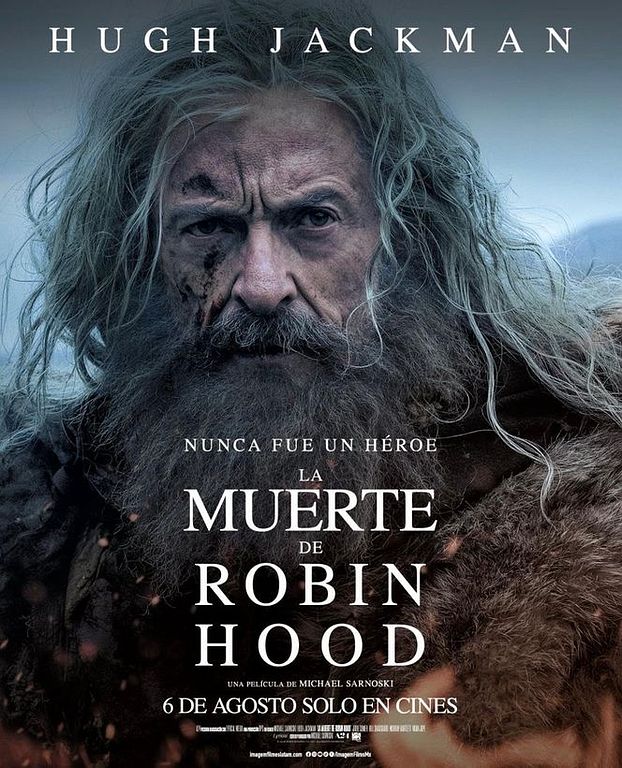
For many years i have been curious about Robin Hood’s connection with a number of wells and pot holes in the Yorkshire Dales, so although i would not normally write about a film, my interest in this legendary character led me to watch the recently released ‘The Death of Robin Hood’. Having seen some of the online comments about the film i was not expecting much, but it turned out to be the best film i have seen in a long time. For me at least it felt like the film really captured something of the myth and legend of Britain’s past. Although i could not put my finger on it at the time i kept thinking “this film has real power in it”.
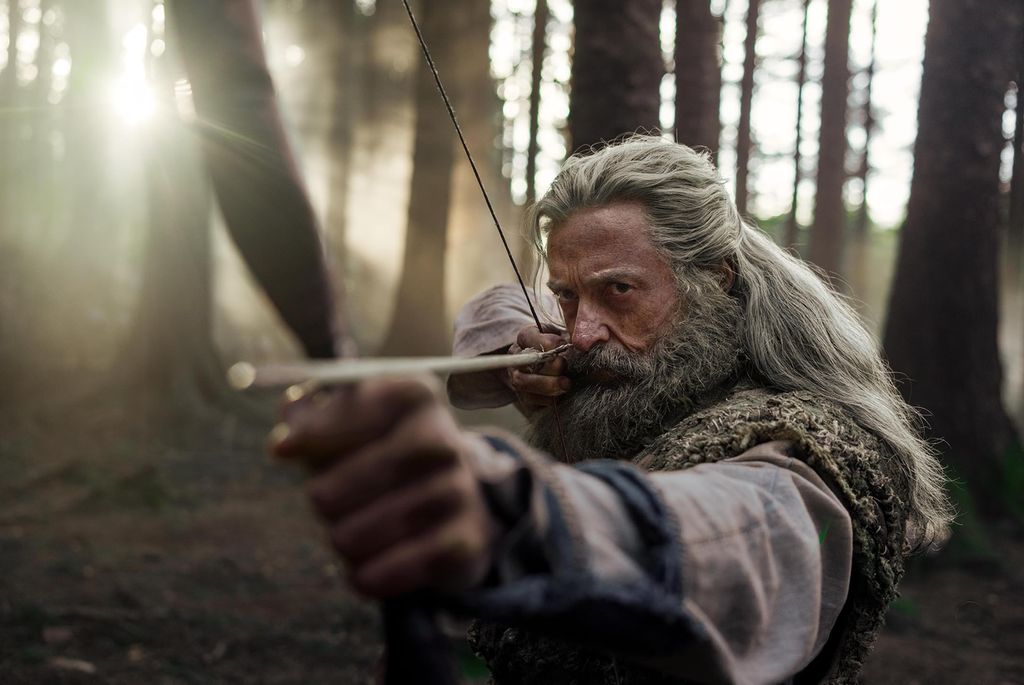
The film provides an interesting twist on the legendary outlaw in that he is portrayed as a thoroughly bad person who has spent most of his life robbing and killing anyone who crossed his path. Hugh Jackman plays an older, grizzled Robin Hood whose past evil deeds now weigh heavily upon him as he hides out in the hills trying to evade those seeking revenge. Old, cynical, and weary of life, he finds it strangely ironic that in spite of his grim past, he has become a kind of folk hero, with stories circulating about him stealing from the rich and protecting the poor.
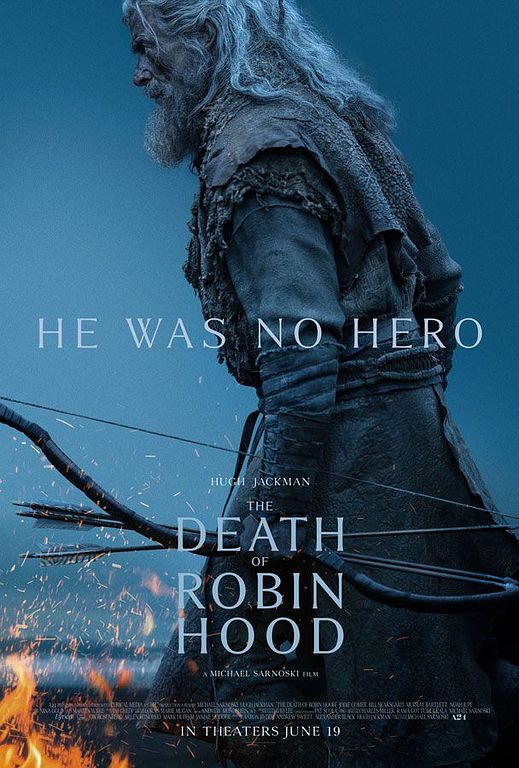
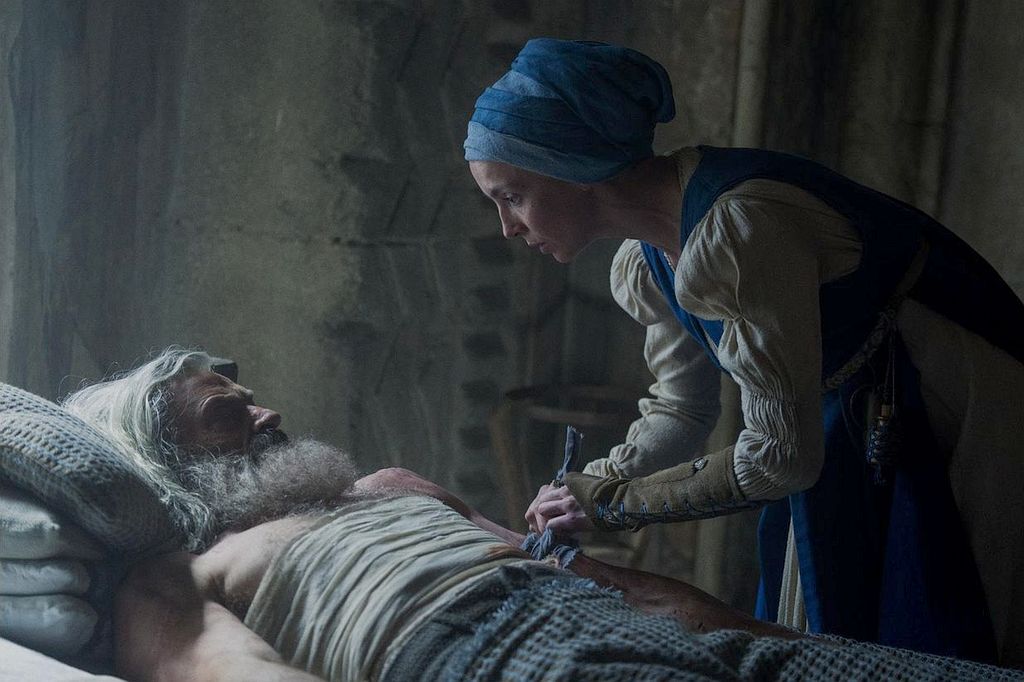
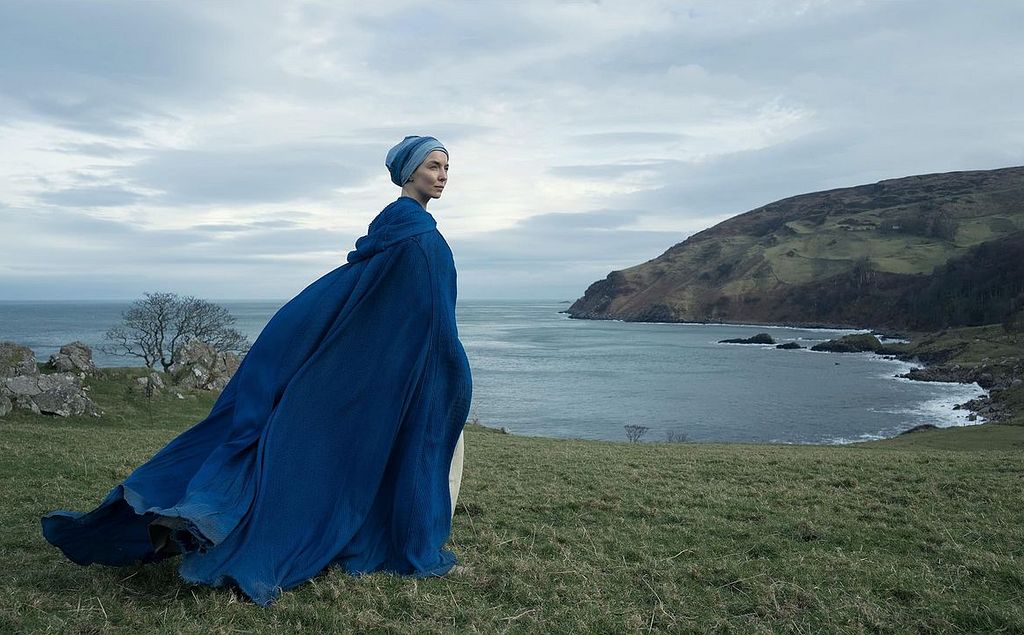
All the dialogue in the film is delivered with a northern accent which really adds something to the atmosphere of the film, as does the stirring soundtrack by Sheffield born folk musician Jim Ghedi. The bleak and rugged landscape also feeds into the cinematic effect, while still fitting with the theme of the notorious outlaw finally facing the consequences of his past. At one point there is a reference to Keswick, suggesting that Robin is hiding out in the Lake District, and in one scene he passes some impressive standing stones which may well be a nod to the stone circle near Keswick. After being seriously wounded in his final battle, Robin is taken to a priory on a remote island where he is healed by a wise and mysterious prioress – Sister Brigid (Jodie Comer).
Mythic elements?
The day after watching the film i was thinking why did this film resonate so much with me? Although specifically about Robin Hood, Hugh Jackman’s character (perhaps appropriately) has the classic look of Odin – god of battle, fighting, and bloodshed.
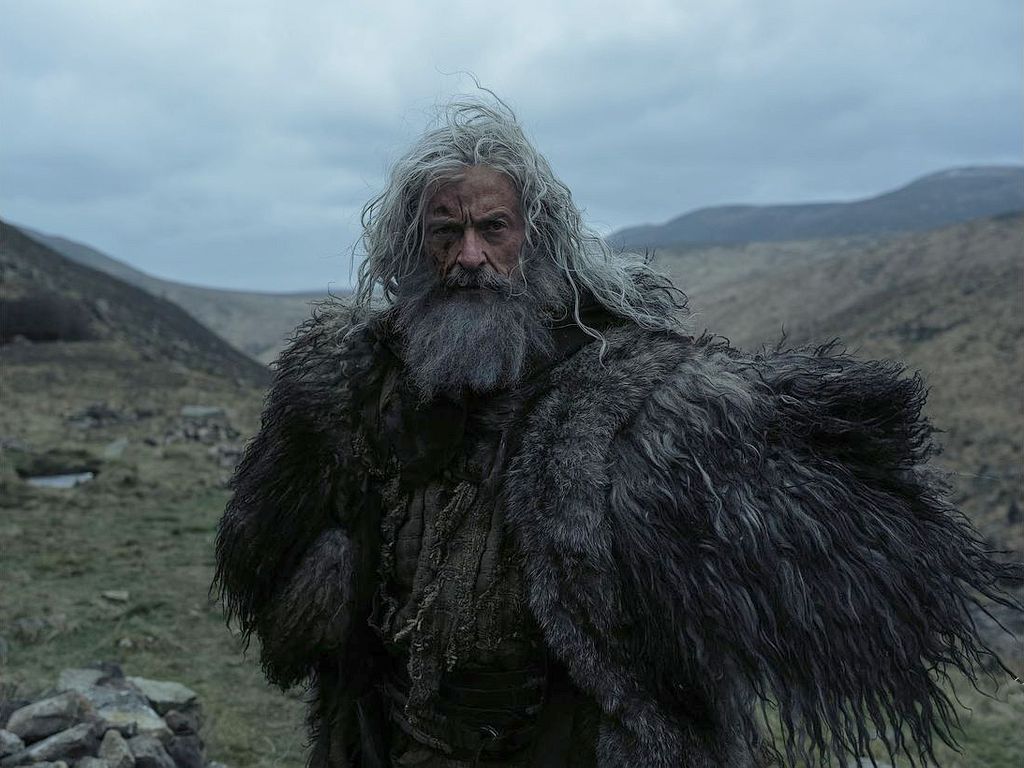
Dressed in animal furs, with wild dishevelled hair and beard, he also calls to mind Myrddin Wyllt (Wild Merlin), who, driven mad by the slaughter of battle, fled into the wilderness to live as a hermit. Robin’s last battle leaves him seriously wounded, and so he is taken across the waters to a mysterious island to be healed. Here again we have echoes of the legend of King Arthur and the isle of Avalon. The Prioress tells Robin that the island has long been a holy place where an ancient power resides – recognised by the Druids, the Romans, and those who came later. Although the island is now a Christian site with a priory of St Clement, Sister Brigid seems to derive her healing powers from a shrine in a cave deep in the forest where something much earthier dwells.
Interviews with the Writer/director Michael Sarnoski show that he took the time to thoroughly research the Robin Hood legends and other mythic elements woven into the film, and this has definitely added a depth to the film for those who are aware of these things. However it’s clear from the online comments and reviews that many people who watched the film just did not pick up on these subtler elements.
Cultural disconnect?
For some reason The Death of Robin Hood was released first in America in June 2026, where there was a general lack of interest in the film, and it only received lukewarm reviews. This is perhaps no surprise as the film taps into the mythology of Britain, and is tied to the British Landscape. Would the average modern movie goer living in New York or California have any real connection with this? Most of the online comments are from people who have seen the film in the US, and only a minority seem to have understood what the film was about. Many seemed to have been expecting a full on action film with some comedy element ??? (did they read the film title?), so they were disappointed, and dismissed it as a boring drama. There was also strange criticism of the film being “Pro rich” propaganda (because Robin does not steal from the rich in this film), or it being part of a trend by film makers to discredit hero figures. Another criticism was that the film had ‘brutish violence and an over brooding atmosphere’, which does seem ironic coming from people who live in a ‘Gun Culture’ where regular mass shootings occur.
The film will finally be released in the UK in early September, so it will be interesting to see how it is received in its ‘homeland’. The lukewarm response so far is perhaps another indication of just how few people today have any real awareness or direct experience of the ‘storied landscape‘ – which was so much a part of the cultural life of past generations.
“A storied landscape is a place rich with cultural memory, folklore, and historical events, where the physical terrain acts as an archive of human and natural experiences. Rather than being viewed as mere scenery or economic resources, these environments hold deep meaning through the narratives embedded in their names, paths, and ancient structures.“
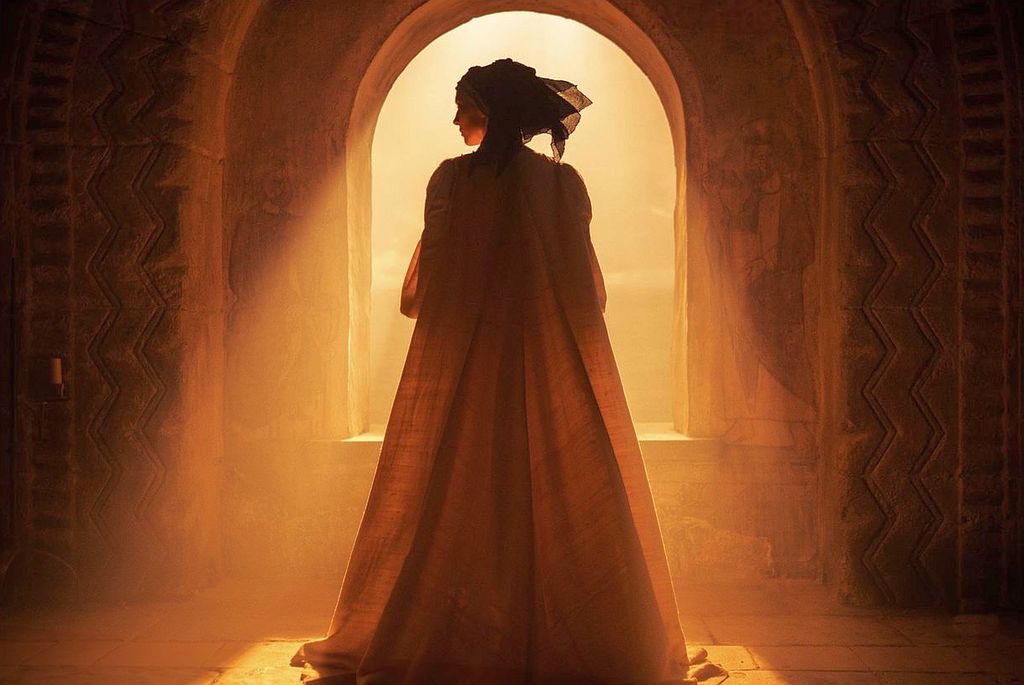
All images are promotional material from A24 films
Robin Hood related pages here on the Lay of the Land website
Robin Hood’s Mill – Stainforth
Boggle Hole – Robin Hood’s Bay
Update
As i suspected the film received very little attention on its release in Britain, and was only showing for one week locally (in York), which i missed. I managed to see it in Castleford, and there was a grand total of 6 other people there to watch the film. Ironically the Castleford area was the original setting for the Robin Hood legends, with Barnsdale being nearby, and mentioned in the earliest stories.
Seeing the film on the big screen confirmed my original reaction to it – a ‘legendary’ and moving story, heightened by Jim Ghedi’s stirring music. I definitely think this film is underrated, and has been quietly ignored for some reason. This made me wonder if it is a victim of the current government / media policy to suppress anything that promotes or references English tradition and identity?

