More Treasures from Denmark
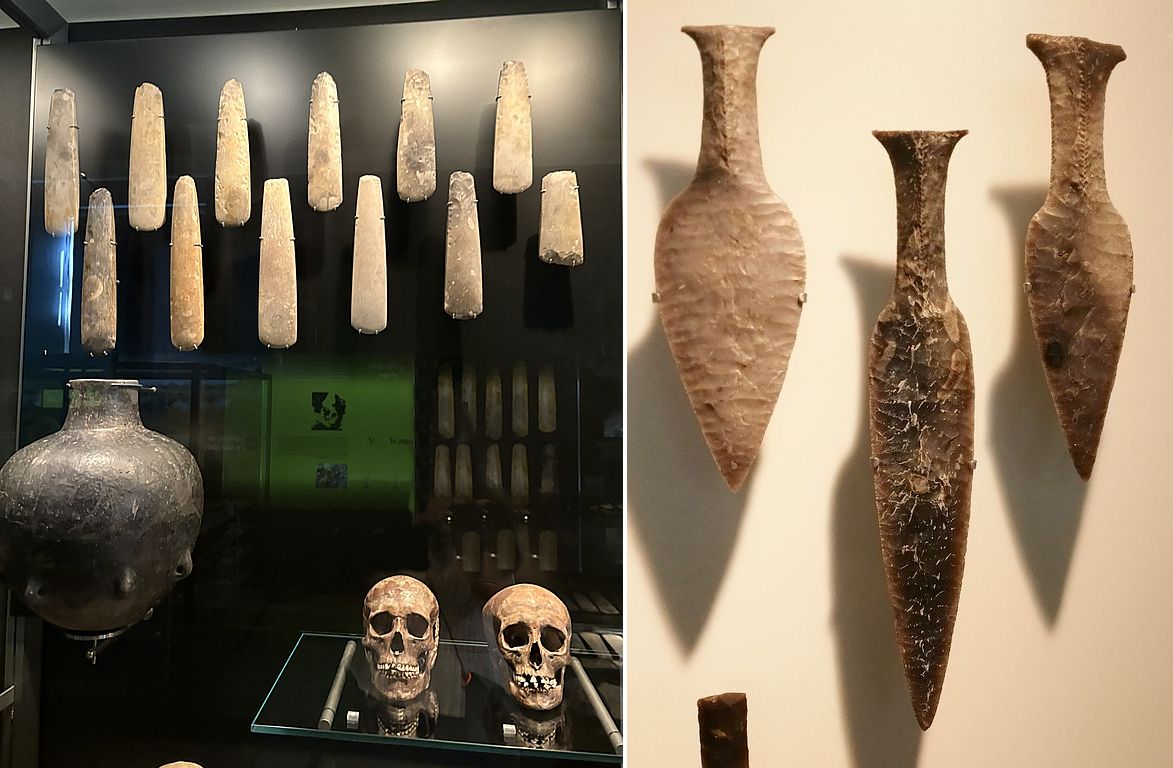
The previous post highlighted some of the archaeological treasures in the National Museum in Copenhagen, which holds an amazing collection of gold, silver and bronze objects from Denmark’s ancient past. These were just a fraction of the items on display, so here is another selection.
Denmark’s Golden Age
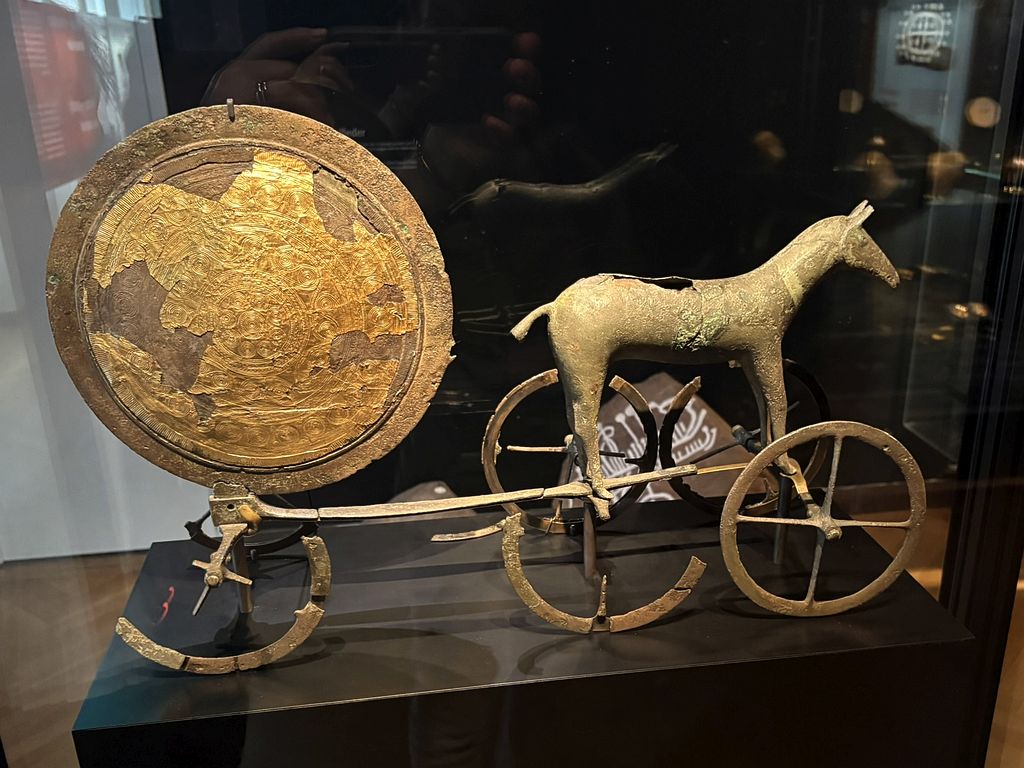
A recent stay in Copenhagen provided the opportunity to visit the National Museum in that “Wonderful” city. I had not done any research beforehand so i was not really expecting much – i only knew that there was a Viking section, and some Bog bodies, which might be of interest. But how wrong i was, and in the end just the prehistory section alone was quite staggering. World famous archaeological artifacts that i had only ever seen in books were on display in room after room. I was literally like a kid in a sweetshop peering into cabinets of amazing archaeological treasures.
Nine Standards Rigg Cairns – Cumbria
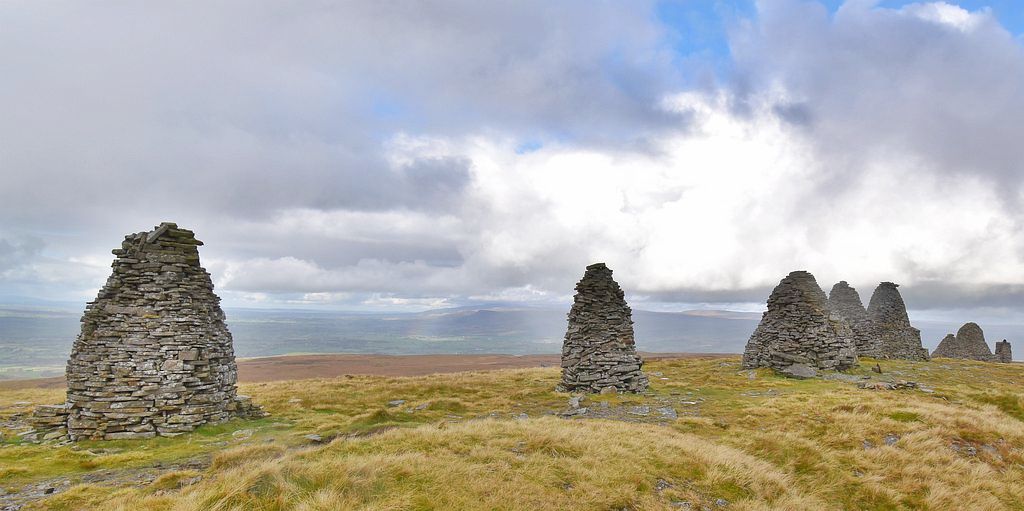
(This post is a bit of a ‘Filler’ as i have been unable to visit any sites for the last 3 months. This has been due to a leg injury which has been very slow to heal, and has stopped me driving or walking any distance. However things are finally improving and i am hoping to get out and about again.)
Back in October 2025 i tagged along with Gavin Parry (link) and Graham Vasey (link) to look at the row of tall cairns on Nine Standards Rigg near Kirkby Stephen in Cumbria. These cairns are something of a mystery as it is unclear when or why they were built, and no real history or tradition has survived to explain them.
Continue reading >>>Addleback – the Giant of Addlebrough Hill

Addlebrough is a prominent, flat topped hill in upper Wensleydale in the Yorkshire Dales, 30 miles to the north west of Harrogate.
Back in the 1870’s, the folklore collector Richard Blakeborough transcribed part of an old manuscript written by David Naitby – a shoemaker in the market town of Bedale. Naitby had himself gathered old stories and folklore in the late 1700s, and these were recorded in his manuscript. Another Bedale resident called Willie Plews had shown Naitby his family bible which had a handwritten page dated “March ye 7th 1680“, which noted details of a giant who once lived on Addlebrough hill …
The Devil’s Breeches – Staithes

The village of Staithes is located on the Yorkshire coast, 8 miles to the north of Whitby.
The first edition OS map of 1856 marks a place called the ‘Devil’s Breeches’ near the head of a stream valley on the south side of the village. There appears to be nothing written down in the area’s local history to explain this name, and it seems to have only been recorded by the OS map surveyors more than 170 years ago.
A recent visit to Staithes provided an opportunity to ask some older residents about this place name, but only one person knew of it because they had seen it on the old map, and they had no explanation as to why the Devil would be connected with that place. With the folklore behind the placename apparently long forgotten (a very common situation) it is perhaps worth exploring some possible explanations for this intriguing name.

